About

Hi! So glad you're here!
My name is Mia Tursman, and I'm a junior at the University of Michigan pursuing a Bachelor of Science in Information, with a concentration in User Experience Design and Research. I'll graduate with minors in Quantitative Methods in Social Science (QMSS) and Environmental Studies. I believe UX is nothing if not an interdisciplinary field — and I'm excited to explore the connections between that belief, my analytical skills, and my passion for sustainability.

Background
I grew up in Traverse City, Michigan, and have always been drawn to science, sociology, and creative fields; for a long time, I wasn't sure how to find a career path that felt like a true intersection of those interests. Discovering UX was the answer: a field where I could combine my curiosity about human behavior with design and research. I especially enjoy the connection between user research and data analysis, viewed through a creative lens.
Goals
What I'm specifically drawn to within UX is accessibility — both in the physical world and online — and how it intersects with everything else I'm learning in this field. Every person experiences the world differently, and design should account for that.
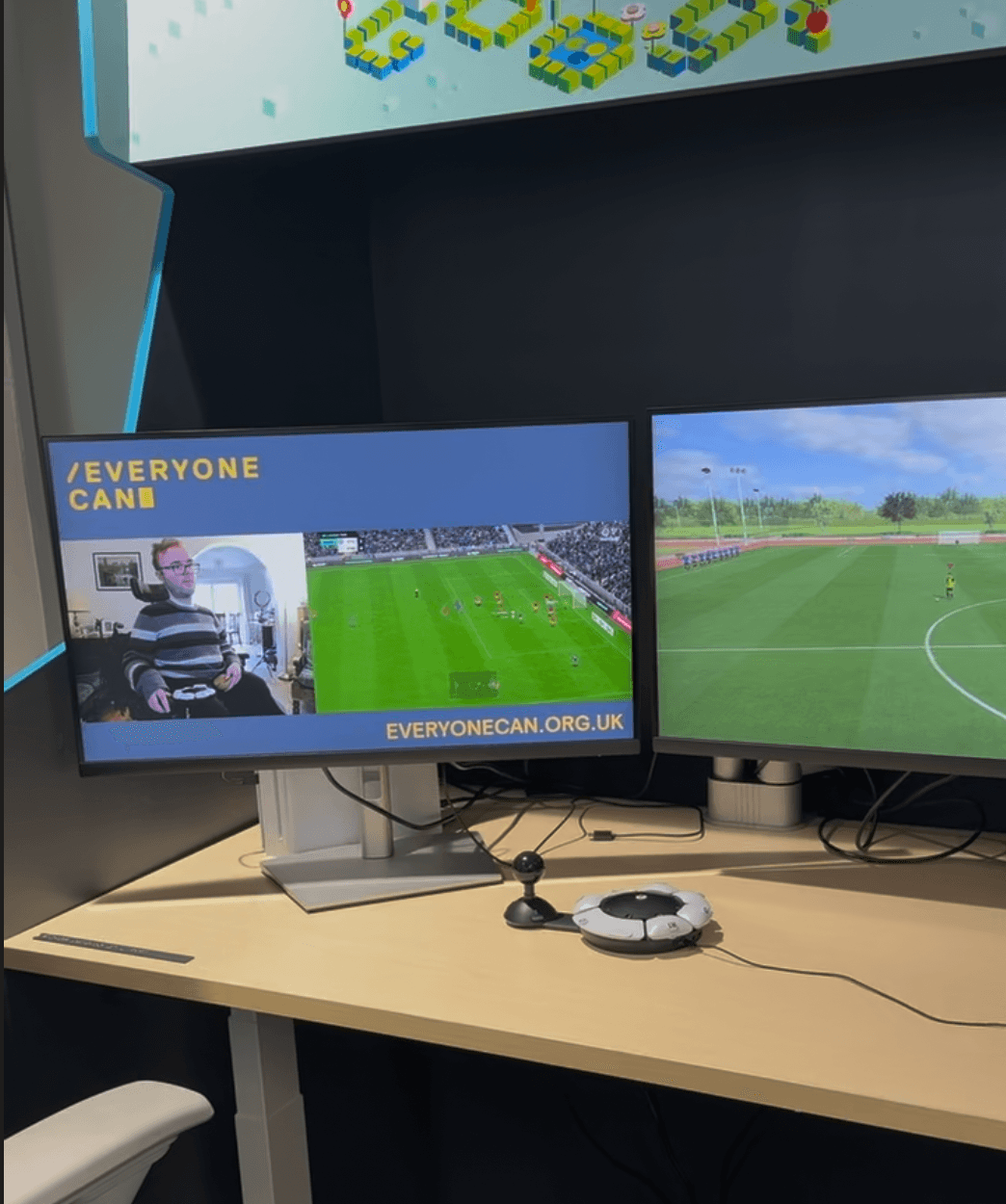
One moment that made me confident in choosing UX was visiting Google's Dublin headquarters and touring their Accessible Technology Lab. I remember being struck by a racing game designed for people with mobility impairments. This game was controlled entirely by eye movement rather than hands. It might be easy to dismiss a racing game as a small thing to spend design resources on, but that game is one step toward giving someone an experience their peers already take for granted. That's when I understood what designing for everyone's varying experiences actually means in practice, not just in theory. Design for people with disabilities should still be exciting — not just meeting basic needs, but building in the same daily enjoyment that many designers overlook.
Let’s connect
Want to know more about my work, or just say hi? Grab my resume or reach out directly.